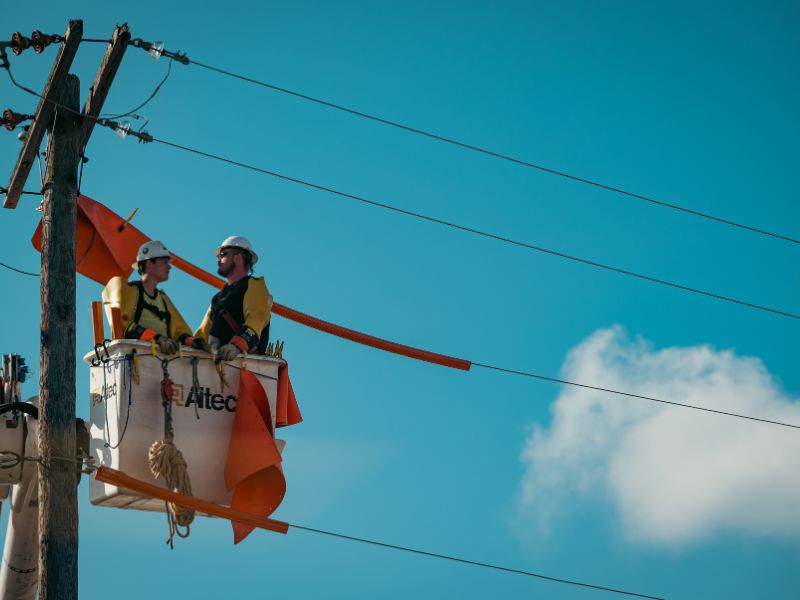

The United Kingdom has long been a hub for skilled professionals, offering numerous opportunities in various trades, including electrical work. With a growing demand for qualified electricians, the UK job market is increasingly open to international talent, particularly those who can secure visa sponsorship. For electricians from overseas, this presents a golden opportunity to build a rewarding career in a country known for its high standards of living, competitive salaries, and robust labor laws.
Visa sponsorship for electricians is becoming more common as the UK faces a skills shortage in the construction and maintenance sectors. Employers are actively seeking skilled workers to fill gaps in the labor market, making it an ideal time for foreign electricians to explore job opportunities in the UK. Whether you specialize in domestic, commercial, or industrial electrical work, there are pathways to securing employment with visa support, provided you meet the necessary qualifications and experience requirements.
This article provides an in-depth look at electrician jobs in the UK with visa sponsorship, covering eligibility criteria, job prospects, salary expectations, and the application process. We will also discuss the different types of visas available, how to find employers willing to sponsor, and the steps to take to ensure a smooth transition into the UK workforce. By the end of this guide, you will have a clear understanding of how to pursue a successful career as an electrician in the UK.
Understanding the Demand for Electricians in the UK
The UK’s construction and infrastructure sectors are booming, leading to a high demand for skilled electricians. From new housing projects to commercial developments and renewable energy installations, the need for qualified professionals is at an all-time high. Additionally, the UK government’s commitment to net-zero carbon emissions by 2050 has increased investments in green energy, creating even more opportunities for electricians specializing in solar panels, EV charging stations, and energy-efficient systems.
Another factor driving demand is the aging workforce, with many experienced electricians retiring and not enough new entrants to replace them. This skills gap has forced employers to look beyond local talent and consider hiring from overseas. Industries such as manufacturing, healthcare, and transportation also require electricians for maintenance and upgrades, ensuring a steady stream of job openings across multiple sectors.
For international electricians, this demand translates into better chances of securing visa sponsorship. Employers who struggle to find local talent are more willing to sponsor skilled workers, especially those with certifications and experience in specialized areas. Understanding where the demand is highest can help job seekers target the right opportunities and increase their chances of success.
Visa Options for Electricians Moving to the UK
The UK offers several visa routes for skilled electricians, with the most common being the Skilled Worker Visa (formerly Tier 2 General Visa). This visa requires a job offer from a UK employer with a valid sponsorship license. The employer must issue a Certificate of Sponsorship (CoS), confirming that the role meets the skill and salary thresholds set by the UK government. Electricians typically qualify under the Standard Occupational Classification (SOC) code 5241, which covers electrical and electronic trades.
Another potential route is the Health and Care Worker Visa, though this is more relevant for electricians working in healthcare facilities. For those under 35, the Youth Mobility Scheme (Tier 5) may be an option, though it does not lead directly to permanent residency. Self-employed electricians may explore the Innovator or Start-Up visas, but these require a viable business plan and investment.
Meeting the eligibility criteria is crucial. Applicants must prove their qualifications (often through a recognized apprenticeship or certification), demonstrate English proficiency (usually IELTS or equivalent), and show sufficient funds to support themselves initially. The visa process can be complex, so consulting an immigration expert or solicitor is advisable to ensure all requirements are met.
Qualifications and Certifications Required
To work as an electrician in the UK, foreign professionals must have relevant qualifications that meet British standards. The most recognized certification is the NVQ Level 3 in Electrical Installation or an equivalent qualification from their home country. Those without UK-specific certifications may need to undergo additional training or assessments, such as the AM2 (Achievement Measurement 2) exam, which tests practical skills.
Another important requirement is the ECS (Electrotechnical Certification Scheme) card, which serves as proof of competency. Many employers and construction sites require this card before allowing electricians to work. Additionally, those working with domestic installations may need Part P certification, ensuring compliance with UK building regulations.
International electricians may also need to register with a Competent Person Scheme to carry out certain types of work legally. Those coming from non-English speaking countries must demonstrate language proficiency, typically through an approved English test. Ensuring all certifications are in order before applying for jobs will streamline the visa sponsorship process.
Finding Electrician Jobs with Visa Sponsorship
Securing a job with visa sponsorship requires a strategic approach. Job seekers should start by researching companies known to sponsor foreign workers. Large construction firms, engineering companies, and facilities management providers are often more likely to offer sponsorship due to their size and demand for skilled labor. Websites like Indeed, Reed, Totaljobs, and LinkedIn frequently list vacancies that include visa support.
Networking is another powerful tool. Joining professional groups, attending industry events, and connecting with recruiters specializing in skilled trades can open doors to unadvertised opportunities. Recruitment agencies such as Randstad, Hays, and Michael Page often assist with international placements.
Tailoring CVs and cover letters to highlight relevant experience, certifications, and willingness to relocate is essential. Emphasizing expertise in high-demand areas like renewable energy or industrial electrical systems can make candidates more attractive to employers. Persistence and patience are key, as the process can take several months.
Salary Expectations for Electricians in the UK
Electricians in the UK earn competitive salaries, with earnings varying based on experience, specialization, and location. Entry-level electricians can expect to earn between £20,000 to £25,000 per year, while experienced professionals can make £30,000 to £45,000. Those in supervisory roles or with niche skills (e.g., offshore electrical work or industrial automation) can command salaries upwards of £50,000.
London and the South East generally offer higher wages due to the higher cost of living, but opportunities exist nationwide. Self-employed electricians often earn more, though this requires managing taxes, insurance, and client acquisition. Overtime, bonuses, and additional certifications can further boost income.
Employers offering visa sponsorship typically provide salaries that meet the minimum threshold required by UK immigration rules (currently £25,600 or the going rate for the job, whichever is higher). Understanding salary benchmarks helps in negotiating job offers and ensuring compliance with visa requirements.
The Application and Relocation Process
Once a job offer with sponsorship is secured, the next step is applying for the Skilled Worker Visa. This involves submitting the CoS, proof of qualifications, English test results, and financial evidence. Applicants may also need a TB test depending on their country of origin. Processing times vary but usually take three to eight weeks.
After visa approval, relocation planning begins. This includes arranging accommodation, opening a UK bank account, and registering with a GP (doctor). Newcomers should also familiarize themselves with UK electrical regulations and workplace norms to ensure a smooth transition.
Many employers assist with relocation, offering support such as temporary housing or reimbursement for moving expenses. Taking advantage of these benefits can ease the adjustment period.
Challenges and How to Overcome Them
While the UK offers excellent opportunities, foreign electricians may face challenges such as differences in wiring standards, unfamiliar regulations, and cultural adjustments. To overcome these, newcomers should consider short courses on UK wiring practices and join professional bodies like the NICEIC or ECA for ongoing support.
Another hurdle is the cost of living, particularly in major cities. Budgeting wisely and researching affordable areas to live can help manage expenses. Building a professional network early on can also provide valuable advice and job leads.
Despite these challenges, the long-term benefits—career growth, higher earnings, and quality of life—make the effort worthwhile.
Top UK Cities for Electrician Jobs with Visa Sponsorship
While electricians are needed across the UK, certain cities and regions offer more opportunities, higher salaries, and better chances of securing visa sponsorship. Understanding where demand is strongest can help international job seekers focus their efforts effectively.
London remains the top destination due to its vast construction projects, commercial developments, and high demand for skilled tradespeople. The city offers the highest salaries, though the cost of living is also significantly higher. Major employers in London include large construction firms, facilities management companies, and government infrastructure projects.
Manchester and Birmingham are also hotspots for electricians, thanks to ongoing urban regeneration, new housing developments, and industrial projects. These cities have a lower cost of living compared to London while still offering competitive wages. Leeds, Glasgow, and Bristol are other key locations with growing demand for electricians, particularly in renewable energy and smart technology installations.
For those willing to work in more remote or specialized settings, offshore wind farms in Scotland and industrial hubs in the Midlands provide unique opportunities with potentially higher pay due to the specialized nature of the work. Researching regional job markets can help applicants identify the best locations based on their expertise and lifestyle preferences.
Industries Hiring Electricians with Visa Sponsorship
Electricians are needed in a wide range of industries, each offering different types of work environments and career growth opportunities. Knowing which sectors are actively hiring can help job seekers tailor their applications accordingly.
Construction and Building Services – This is the most common sector, involving wiring new homes, offices, and commercial buildings. Large construction firms often sponsor skilled workers to meet project deadlines.
Manufacturing and Industrial Plants – Factories, production lines, and industrial facilities require electricians for maintenance, machinery repairs, and automation systems. Companies in automotive, aerospace, and food production frequently hire foreign talent.
Renewable Energy – With the UK’s push toward green energy, electricians specializing in solar panels, wind turbines, and battery storage systems are in high demand. Companies in this sector are more likely to sponsor visas due to the specialized skills required.
Healthcare and Public Sector – Hospitals, schools, and government buildings need electricians for maintenance and safety compliance. Some NHS trusts and public sector employers offer sponsorship for critical roles.
Transport and Infrastructure – Rail networks, airports, and road systems require electricians for signaling, lighting, and power distribution. Major infrastructure projects often recruit internationally to fill skill gaps.
By targeting industries with the highest demand, electricians can increase their chances of finding an employer willing to sponsor their visa.
How to Stand Out as an International Electrician Applicant
With competition for visa-sponsored jobs being high, international electricians must ensure their applications stand out. Here are key strategies to improve employability:
1. Obtain UK-Recognized Certifications – If your qualifications are not automatically recognized, consider taking additional courses or assessments (such as the NVQ Level 3 or AM2 exam) to align with UK standards.
2. Gain Experience in High-Demand Areas – Specializing in fields like renewable energy, industrial automation, or smart home technology makes you more attractive to employers.
3. Build a Strong CV and Online Presence – Highlight relevant experience, certifications, and technical skills. A well-optimized LinkedIn profile can attract recruiters.
4. Prepare for UK Workplace Culture – Familiarize yourself with British work ethics, safety regulations, and communication styles to demonstrate adaptability during interviews.
5. Network with Industry Professionals – Joining trade associations, attending job fairs, and connecting with UK-based electricians can lead to referrals and hidden job opportunities.
Taking these steps will not only improve job prospects but also reassure employers that you are a reliable and skilled candidate worth sponsoring.
Common Mistakes to Avoid When Applying for Electrician Jobs in the UK
Many international applicants face rejections due to avoidable errors. Being aware of these pitfalls can save time and increase success rates.
1. Applying Without Proper Certification – Some electricians assume their home country qualifications are sufficient, only to find out later they need additional UK-recognized certifications. Always verify requirements beforehand.
2. Ignoring English Language Requirements – Even if you are fluent, failing to provide an approved English test result (like IELTS) can lead to visa refusal.
3. Targeting Only Big Cities – While London has many jobs, competition is fierce. Expanding the search to smaller cities or niche industries can yield better results.
4. Not Tailoring Job Applications – Sending generic CVs to multiple employers reduces chances of success. Customize each application to match the job description.
5. Overlooking Visa Compliance Rules – Some applicants accept jobs without confirming if the employer has a valid sponsorship license, leading to wasted effort. Always verify the employer’s eligibility before proceeding.
By avoiding these mistakes, candidates can streamline their job search and improve their chances of securing a sponsored position.
Long-Term Career Growth for Electricians in the UK
Once established in the UK, electricians have numerous opportunities for career advancement. Understanding the long-term prospects can help in planning a sustainable future.
Becoming a Approved Contractor – After gaining experience, electricians can register with schemes like NICEIC or ELECSA, allowing them to self-certify work and take on larger projects.
Moving into Supervisory Roles – Experienced electricians can progress to roles like site supervisor, project manager, or electrical engineer, often with higher salaries.
Starting a Business – Many electricians eventually set up their own companies, offering services in installation, maintenance, or specialized electrical work.
Teaching and Training – Qualified professionals can become trainers at colleges or private institutions, helping the next generation of electricians.
The UK’s strong emphasis on apprenticeships and continuous professional development ensures that skilled electricians always have pathways to grow their careers.
Final Steps Before Moving to the UK
After securing a job and visa, there are essential steps to ensure a smooth transition:
- Arrange Accommodation – Research rental markets or employer-provided housing options.
- Set Up Finances – Open a UK bank account and understand tax obligations.
- Register with Authorities – Apply for a National Insurance number and register with a local GP.
- Familiarize Yourself with UK Regulations – Review wiring standards (BS 7671) and health & safety laws.
Taking care of these details in advance will help ease the relocation process.
Conclusion
Electrician jobs in the UK with visa sponsorship offer a life-changing opportunity for skilled professionals seeking career growth, financial stability, and a high standard of living. The UK’s ongoing demand for qualified electricians, combined with supportive immigration pathways, makes it an ideal destination for those willing to meet the necessary requirements. By obtaining the right certifications, targeting high-demand industries, and avoiding common application mistakes, international electricians can successfully secure sponsored roles and build a prosperous future in the UK.
While the journey requires effort—from validating qualifications to adapting to a new work culture—the rewards are substantial. Competitive salaries, career progression opportunities, and the chance to work on cutting-edge projects in renewable energy and smart technology make the UK an attractive choice. With careful planning and persistence, electricians from around the world can turn this opportunity into a long-term success story.
For those ready to take the leap, now is the perfect time to start researching, networking, and applying. The UK’s electrical industry is waiting for skilled talent, and with the right approach, you could soon be on your way to a fulfilling career abroad. The key is to stay informed, remain proactive, and seize the opportunities as they arise. The future is bright for electricians in the UK—will you be part of it?


